This blog shares some of our thoughts about plain language, and the latest discussions about plain English and clear design in New Zealand, and around the world.

To find out more about Write, go to http://www.write.co.nz/ or join us on Facebook at http://www.facebook.com/WriteLimited

Showing posts with label punctuation. Show all posts

19 September 2014

Punctuation matters

And BP Plc hopes the Texas Supreme Court agrees. An article in the Insurance Journal explains:
BP argues the drilling contract skipped a needed comma, and that the omission either granted access to coverage or created ambiguity that triggered an exception. Under Texas law, an ambiguous insurance contract would be interpreted in its favor, BP contends.
The clause in the drilling agreement reads that BP, its subsidiaries and workers would be “named as additional insureds” in Transocean’s polices [sic] “except Workers’ Compensation for liabilities assumed by [Transocean] under the terms of this contract.”
BP contends that because there isn’t a comma after the words “workers’ compensation,” this leaves open coverage liability for oil discharged from the well. Insurers could have inserted “standard language” to restrict coverage and “cannot rewrite the policies to add those restrictions now,” BP said.

16 June 2014

Who cares about spelling?

One of our friends sent us that email about the incredible brain. You know the one. It shows how we can read text even if the middle letters in the words are jumbled; even if they’re replaced by other symbols.

The email concluded that spelling doesn’t matter. I disagree with that conclusion for a couple of reasons. The most important point is that a careless writer assumes they can ignore people who can’t unjumble their letters to get their meaning (those who are not skilled readers). That’s not the point I want to make today, though.

My point has to do with the impression you make when you ignore spelling – or, for that matter, grammar or punctuation.

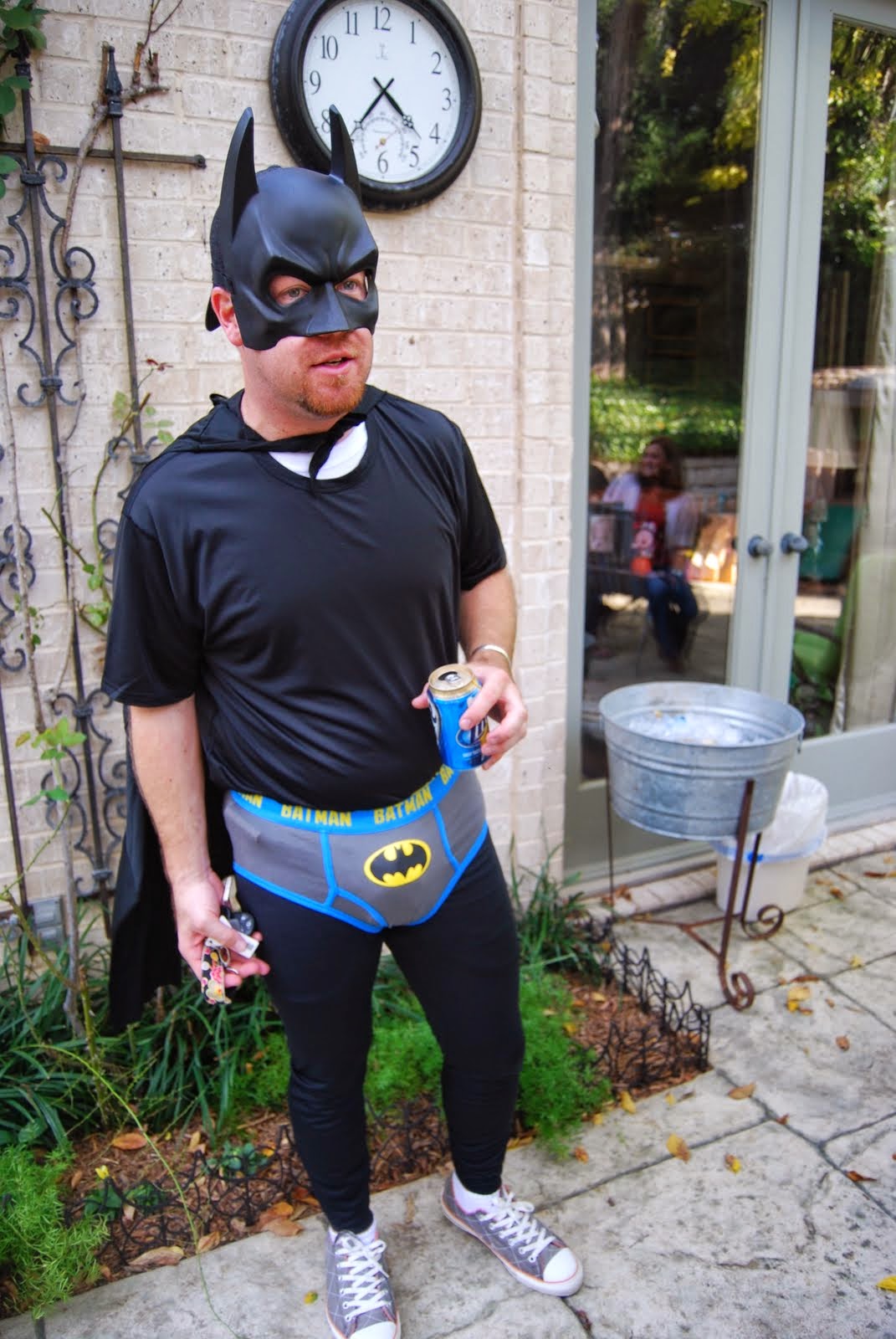
Think about it by analogy. You may think that wearing your underpants outside your trousers shows that you’re a superhero. You can do that. There is no law that stops you. You will still achieve the fundamental purpose of clothes; you’ll not offend public modesty, and you’ll stay warm. But people will make up their own mind about the message you send.

Similarly, you may think that ignoring the established patterns of English shows that you’re future-focused and free thinking. There is no law to stop you. Your readers may even understand what you’ve written. But people will make up their own minds about the message your carelessness sends.

10 June 2014

I like cooking my family and my pets


As the unpunctuated list in my headline shows, commas matter. But people are often vague about the rules for using them.

One persistent myth is that you should add a comma wherever you would pause for a breath when speaking. The trouble with this theory is that it depends on the reader knowing when pausing for a breath will benefit the meaning.

Pauses and punctuation (not just commas) are related. Both contribute to the meaning of whatever is being heard or read. But you can't depend on one to tell you how to do the other.

Save your family and pets. Learn the comma rules, and make your meaning clear.


31 January 2014

Write's top five blogs for 2013

Which of our blog posts did you click most last year? We blog about all kinds of topics. The value of clear writing — financially and philosophically. Grammar — everyone wants to know about the debates and the options. Financial literacy. Language usability. Books from our shelves. Our own pet peeves.

Here’s the 2013 hit parade — the top five posts from our blog Write Clearly.

1. Think like a Tui ad!
Yeah, right. No, really! Tui ads are short, succinct, and perfectly pitched to their audience, says Lynda Harris. But what’s special about the one that she posted on Tui’s DIY billboard at their factory?
Read how to think like a Tui ad 

2. Do you take your lists with or without semicolons?
Anne-Marie Chisnall describes the science behind readability and visual clutter.
Read more about more readability and visual clutter

3. A conversation about health literacy
In our 'Conversations' blog series, Rosie Knight talks to health providers about the techniques they use to make sure that communication with their patients works well both ways. She also delves into why health literacy improves patient outcomes, and saves health dollars. In this conversation Rosie talks to Lorna Bingham, Diabetes Nurse Specialist.
Read Rosie's conversation with Lorna Bingham

4. Poor writing is not sustainable
Too many New Zealand businesses don't realise the huge impact that unsustainable business practices are having on their bottom line. Diana Burns quotes sustainability consultant Annette Lusk. And Diana writes that sustainable writing has a huge impact on profits.
Read more about making business writing sustainable

5. Taking issue with issues (and other such euphemisms)
Diana Burns finds a kindred spirit in columnist Joe Bennett, with his attack on the word ‘provider’ (as in internet provider, education provider, and health provider). She reveals a trick we use at Write for generating ‘noun strings’, and why they are terrible things.
Read more about taking issue with issues
Click to tweet: Write’s top five blogs for 2013

18 May 2012

Interrobangs and crash blossoms

At an office meeting today, the conversation turned to crash blossoms. We've discussed these odd beasts before in our blog. (A crash blossom is an ambiguous headline that can have more than one meaning.) A recent favourite from the Calgary Herald reads 'Police looking into death by Balzac' (21 March 2012).

Later today, I read David Crystal's blog about interrobangs, which made me think that the crash blossom and the interrobang are made for each other. Police looking into death by Balzac?!

Read David Crystal's blog

Have a chuckle over some crash blossoms

01 July 2011

The Oxford comma lives!

This from Stuff:
A report that Oxford University had changed its comma rule left some punctuation obsessives  alarmed, annoyed, and distraught. Passions subsided as the university said the news was imprecise, incomplete and misleading.

Catch the difference between the two previous sentences? An "Oxford comma" was used before "and" in the first sentence, but is absent in the second, in accordance with the style used by The Associated Press.

Guides to correct style differ and the issue became heated on Twitter after reports of the Oxford comma's demise. But have no fear, comma-philes: the Oxford comma lives...

[see Stuff for the rest of the article]