One of our friends sent us that email about the incredible brain. You know the one. It shows how we can read text even if the middle letters in the words are jumbled; even if they’re replaced by other symbols.
The email concluded that spelling doesn’t matter. I disagree with that conclusion for a couple of reasons. The most important point is that a careless writer assumes they can ignore people who can’t unjumble their letters to get their meaning (those who are not skilled readers). That’s not the point I want to make today, though.
My point has to do with the impression you make when you ignore spelling – or, for that matter, grammar or punctuation.
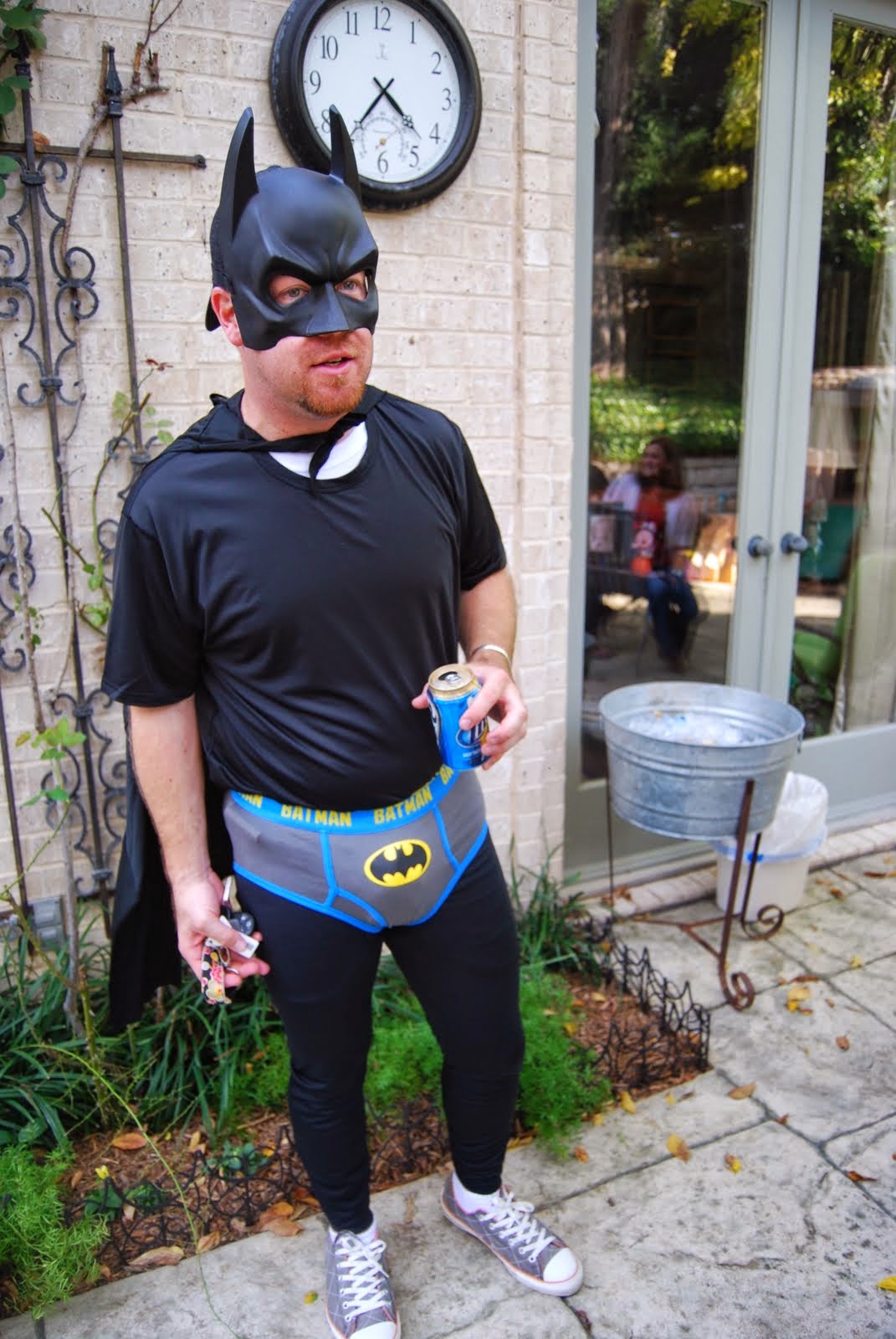
Think about it by analogy. You may think that wearing your underpants outside your trousers shows that you’re a superhero. You can do that. There is no law that stops you. You will still achieve the fundamental purpose of clothes; you’ll not offend public modesty, and you’ll stay warm. But people will make up their own mind about the message you send.
Similarly, you may think that ignoring the established patterns of English shows that you’re future-focused and free thinking. There is no law to stop you. Your readers may even understand what you’ve written. But people will make up their own minds about the message your carelessness sends.
This blog shares some of our thoughts about plain language, and the latest discussions about plain English and clear design in New Zealand, and around the world.
To find out more about Write, go to http://www.write.co.nz/ or join us on Facebook at http://www.facebook.com/WriteLimited
Showing posts with label spelling. Show all posts
16 June 2014
04 February 2014
Check your spelling on the door
We often check and double-check the spelling in documents and online material. Too often we neglect the face of the business—by that I mean the exterior of the business.
Now you might think that photographing errors in signs is a bit over the top. But how you present your words outside your business can affect whether or not people enter it. Poor spelling can lead to poor sales.
So before you rush outside to erect a sign, take time to get the spelling right and have someone else check it. And remember: the more text on a sign; the more likely errors will creep in.
Unfortunately, one of the errors (Bacan) in this sign was more noticeable because the word was spelled correctly in a second sign on the same frontage. The sign has a second error. See if you can spot it.
For a café? Now you and I know the writer meant ‘Barista needed’. I found the sign more amusing because it was at Palm Beach, Sydney. Given the location, maybe it was written in jest. Or maybe it was a gimmick to entice people through the door. Or maybe the business did need a barrister. The spelling was certainly in trouble. The possible meanings were endless. It reminds us all to make our meanings clear and not keep clients and customers guessing.
Signwriting is as much a skill as an art. The four tips that Brisbane-based Sign Age offer are: (1) make sure your spelling is correct; (2) make sure your logo adequately represents what you do; (3) ensure the wording on your sign makes sense and is grammatically correct; and (4) don’t try to cram too much on one sign.
So don’t check your spelling at the door. Check your spelling on the door. Only then can you make your signs sing.
We’ve included one misspelled sign on this page. We welcome comments (no images please) about any misspelled signs you might have seen.
Poor spelling can lead to poor sales
We’ve all seen misspelled words in a sign. Does that lack of care affect our decision to enter a shop or buy a product? Last weekend I spied this sign at a wholesaler.Now you might think that photographing errors in signs is a bit over the top. But how you present your words outside your business can affect whether or not people enter it. Poor spelling can lead to poor sales.
So before you rush outside to erect a sign, take time to get the spelling right and have someone else check it. And remember: the more text on a sign; the more likely errors will creep in.
Unfortunately, one of the errors (Bacan) in this sign was more noticeable because the word was spelled correctly in a second sign on the same frontage. The sign has a second error. See if you can spot it.
Write the word you mean to write
A while ago I saw a sign that reminds us all to check that the word we write is the word we mean to write. Even with correct spelling, a word’s meaning can be ambiguous. And this sign outside a café had only two words: ‘Barrister needed’.For a café? Now you and I know the writer meant ‘Barista needed’. I found the sign more amusing because it was at Palm Beach, Sydney. Given the location, maybe it was written in jest. Or maybe it was a gimmick to entice people through the door. Or maybe the business did need a barrister. The spelling was certainly in trouble. The possible meanings were endless. It reminds us all to make our meanings clear and not keep clients and customers guessing.
Signwriting is as much a skill as an art. The four tips that Brisbane-based Sign Age offer are: (1) make sure your spelling is correct; (2) make sure your logo adequately represents what you do; (3) ensure the wording on your sign makes sense and is grammatically correct; and (4) don’t try to cram too much on one sign.
So don’t check your spelling at the door. Check your spelling on the door. Only then can you make your signs sing.
We’ve included one misspelled sign on this page. We welcome comments (no images please) about any misspelled signs you might have seen.
15 July 2011
Proofreading makes money
This article from BBC News gives some evidence for the return on investment of good document practices -- editing and proofreading.
It's not just documents destined for hard-copy printing that need proofreading. Remember to proofread copy for your website or blog. This often-overlooked part of the publishing process for online documents can have a big impact.
According to Charles Duncombe and the Confederation of British Industry, a single spelling mistake can cut your online sales in half.
It's not just documents destined for hard-copy printing that need proofreading. Remember to proofread copy for your website or blog. This often-overlooked part of the publishing process for online documents can have a big impact.
According to Charles Duncombe and the Confederation of British Industry, a single spelling mistake can cut your online sales in half.
Subscribe to:
Posts (Atom)


